skip to main |
skip to sidebar
கவியரசு கண்ணதாசன்
24 - 6 - 1927 to 17-10-1981 "...If only Kannadasan had been born in Europe or the USA, instead of Sirukuudalpatti village in the Ramanathapuram district of Tamil Nadu, he probably would have become a Nobel laureate in literature and received international recognition. But on the other hand, Tamils would have lost a goliard, who composed lyrics in Tamil for every sentimental moment they experience in life...."His given name at birth was Muthiah. But when he made his exit from this world, at the age of 54, on October 16, 1981, millions of Tamils remembered him only by the name Kannadasan. For Tamils all over the world, he epitomised Tamil poetry. Even the illiterate, who couldn't read and memorise the poetry of Kamban or the maxims of Valluvan, could hum the compositions of poet Kannadasan.
A number count of his publications shows a tally of 109 volumes, which include 21 novels and 10 slim volumes of essays on Hinduism, captioned Arthamulla Indu Matham (Meaningful Hinduism). In addition, he produced about 4000 poems and approximately 5000 movie lyrics, between 1944 and 1981, all with an eighth grade education at the formal level. He was also an excellent example of this century's Tamil goliard.
What made Kannadasan click? There is no doubt that he had a penetrating eye and keen observational powers. He also did not live a cocoon-type of life. He dipped into everything that Tamil Nadu could offer - wine, women, drugs, gambling, politics, polemics, atheism and religious sanctuary. After enjoying everything, what he did was remarkable - he composed verses about all his experiences, with self depreciating humour and biting sarcasm. These verses touched the sympathetic chords of Tamils from all walks of life - school boys, undergrads, housewives, farmers, manual labourers, plantation workers, middle class representatives and even upper class elites.
He was at his best when he wrote lyrics on the philosophy of cycles of life. Let me reminisce on some of his most popular compositions in this column. It is a pity that Kannadasan's verses has not been translated into other languages yet. I have made an elementary effort here, while not attempting a literal translation. Tamilபோனால் போகட்டும் போடா - இந்த பூமியில் நிலையாய் வழ்ந்தவர் யாரடா?
வந்தது தெரியும் போவது எங்கே
வாசல் நமக்கே தெரியாது
வந்தவரெல்லாம் தங்கி விட்டால் - இந்த மண்ணில் நமக்கெ இடமேது?
வாழ்க்கை என்பது வியாபராம் - வரும் ஜனனம் என்பது வரவாகும் - அதில்
மரணம் என்பது செலவாகும்.English Let the passions and bonds pass-by
Who has lived in this land forever?
Path of arrival is known - but
Path of departure and the route unknown.
If all who came opt to stay
Where's the space in this sphere?
Life is just a business -in which
the birth is credit and death is debit.Tamil TransliterationPonal pohattum poda - intha
poomiyil nilaiyai vazhnthavar yaarada
Vanthathu theriyum povathu enge
vaasal namakke theriyathu
Vanthavarellam thanki viddal - intha
mannil namakke idamtethu
Vazhkai enpathu viyaparam - varum
jananam enpathu varavahum - athil
maranam enpathu selavaahum.
In another lyric, Kannadasan wrote,Tamil ஆடை இன்றி பிறந்தொமே -
ஆசை இன்றி பிறந்தொமா?
ஆடி முடிக்கையிலே அள்ளி
சென்ரோர் யாருமுண்டொ? EnglishThough born without a dress,
did we come without passions?
when we complete the merriment
can anyone carry their possessions?Tamil TransliterationAadai inri piranthome - aasai inri
piranthoma?
Aadi mudikkaiyile alli chenror
yaarumundo? When describing the final passage every man makes in his life, Kannadasan pondered about who accompanies the remains: Tamil வீடு வரை உறவு
வீதி வரை மனைவி
காடு வரை பிள்ளை
கடைசி வரை யாரொ? English The kin, till the house,
The wife, till the street,
The son, upto the cemetery,
Who will come beyond that? Tamil TransliterationVeedu varai uravu
Veethi varai manaivi
Kaadu varai pillai
kadaisi varai yaaro? Kannadasan could even describe Freudian themes in mere four lines of movie lyrics. For example, he once wrote, Tamil உள்ளம் என்பது ஆமை -
அதில் உண்மை என்பது ஊமை
சொல்லில் வருவது பாதி -
நெஞில் தூங்கிக் கிடப்பது நீதிEnglishMind is like a tortoise - in which
the truth hides in silence
words can bring out only the half
while justice calmly sleeps Tamil TransliterationUllam enpathu aamai - athil
unmai enpathu oomai
Sollil varuvathu paathi - nenjil
thoonki kidappathu neethiOne of my all-time favourites, is the one which I heard for the first time when I was just six or seven years old. The deep-throated resonating voice of playback singer Tiruchi Loganathan, had fixed this Kannadasan lyric, in my mind forever.Tamil ஆசையெ அலை போலே,
நாமெல்லாம் அதன் மேலே,
ஓடம் போலே அடிடுவொமே வாழ் நாளிலே
பருவம் என்னும் காற்றிலே
பறக்கும் காதல் தேரிலே
ஆணும் பெண்ணும் மகிழ்வர்
சுகம் பெறுவர் - அதிசயம் காண்பார்
நாளை உலகின் பாதையை இன்றே யார் காணுவர்?English With passions as waves
we dance like the boat
in our passage of life
With the wind of youth,
by flying in the chariot of love,
man and woman make merry, enjoy
and surprise themselves
but who can guess tomorrow's path
today itself? Tamil TransliterationAasaiye alai pole,
Naamellam athan mele,
Odam pole adiduvome vaazh nalile
Paruvam ennum kaatrrile
parakkum kaathal therile
aanum pennum mahizhvar
suham peruvar - athisayam kaanpaar
Naalai ulahin paathaiyai inre
yaar kaanuvar?Even in this lyric, Kannadasan reinforces the theme, "sorrows are credit of life, while the joys are debit, with the balance being mere dreams, and who can comprehend the arithmetic of fate". வாழ்வில் துன்பம் வரவு
சுகம் செலவு, இருப்பது கனவு
காலம் வகுத்த கணக்கை இங்கே
யார் காணுவார்?Vazhvil thunbam varavuu
suham selavu, iruppathu kanavu
kaalam vahutha kanakkai inge
yaar kaanuvar?
வாழ்க்கைக் குறிப்புபிறப்பு - 24.6.1927, சிறுகூடல்பட்டி
பெற்றோர் - சாத்தப்பன், விசாலாட்சி
மரபு - தன வணிகர்
இயற்பெயர் - முத்தையா
உடன்பிறந்தோர் - எண்மர்
கல்வி - ஆரம்பக் கல்வி சிறுகூடல்பட்டியில்
உயர்நிலைப் பள்ளி - அமராவதி புதூர், எட்டாவது வரை
1943 - முதற் பணி - திருவொற்றியூர், அஜாக்ஸ கம்பெனி
1944 - இலக்கியப் பணி - திருமகள் ஆசிரியர்
1944 - முதற் கவிதை - முதற் கவிதை
1945/46 திரை ஒலி, மேதாவி ஆசிரியர்
1949 சண்டமாருதம் ஆசிரியர்
1949 திரைப்படத் துறை பயிற்சி
1949 -முதற் பாடல் - படம் கன்னியின் காதலி,
பாடல் கலங்காதேதிருமனமே
1949 - அரசியல் - தி.மு.கழகம், ஆரம்ப கால உறுப்பினர்
1950 - திருமணங்கள் - பொன்னழகி, பார்வதி
1952-53 - முதற்காவியம் - மாங்கனி, டால்மியாபுரம் பெயர் மாற்றப் போராட்டத்தில் ஈடுபட்டுத் தண்டனைக் குள்ளாகிச் சிறையில் இருந்தபோது எழுதப்பட்டது
1952-53 - கதை வசனம் - இல்லற ஜோதி, சிறையில் இருந்தபோது
1954, - முதற் பத்திரிகை - தென்றல் கிழமை இதழ், தொடர்ந்து தென்றல் திரை சண்டமாருதம், மாதம் இருமுறை,
1956 முல்லை இலக்கிய மாத இதழ்
1957 - தேர்தல் - இரண்டாவது பொதுத் தேர்தலில் திருக்கோஷடியூர் தொகுதியில் தி.மு.கழகத்தின் சார்பில் போட்டியிட்டுத் தோல்வி
1957 - திரைப்படத் தயாரிப்பு - - மாலையிட்ட மங்கை
1958-59 - சிவகங்கைச்சீமை, கவலை இல்லாத மனிதன்
1960 - 61 - அரசியல் மாற்றம் - - தி.மு.கழகத்திலிருந்து விலகல், தென்றல் நாளிதழ் துவக்கம்
புதிய கட்சி -தமிழ்த் தேசியக் கட்சி - சம்பத் தலைமையில் துவக்கம்,
தென்றல் திரை நாளிதழ் துவக்கம்,
1962-63இல் காங்கிரஸில் இணைப்பு
மீண்டும் திரைப்படம் - வானம்பாடி, இரத்தத் திலகம், கறுப்புப் பணம்
1964 - 66 - அகில இந்திய காங்கிரஸ செயற்குழு உறுப்பினர்
1968-1969 - கண்ணதாசன் மாத இதழ், கடிதம் நாளிதழ்
1970 - ரஷயப் பயணம், சிறந்த பாடலாசிரியர் விருது -மத்திய, மாநில அரசுகள்
1971, 1975 - மலேஷியா பயணம்
1978 - அரசவைக் கவிஞர்
1979 - சாகித்ய அகாடமி பரிசு - சேரமான் காதலி
1979 - அண்ணாமலை அரசர் நினைவுப் பரிசு (சிறந்த கவிஞர்)
1981 - அமெரிக்கா பயணம் (டெட்ராய்ட் நகர் தமிழ் சங்க விழா
இறுதி நாட்கள் - உடல்நிலை காரணமாக 24.7.81 சிகாகோ நகர் மருத்துவ மனையில் அனுமதிக்கப்பட்டு 17.10.81 சனிக்கிழமை இந்தியநேரம் 10.45 மணிக்கு அமரநிலை எய்தினார். 20.10.81 அமெரிக்காவிலிருந்து பொன்னுடலம் சென்னைக்குக் கொண்டு வரப்பட்டு, இலட்சக்கணக்கான மக்களின் இறுதி அஞ்சலிக்குப் பிறகு அரசு மரியாதையுடன் 22.10.81இல் எரியூட்டப்பட்டது.
புனைபெயர்கள் - காரை முத்துப் புலவர், வணங்காமுடி, கமகப்பிரியா, பார்வதிநாதன், ஆரோக்கியசாமி
குடும்பம் - இருமனைவியரும் ஒன்பது ஆண் மக்களும் ஐந்து பெண் மக்களும் உள்ளனர். நாவல்கள்அவள் ஒரு இந்துப் பெண்
சிவப்புக்கல் முக்குத்தி
ரத்த புஷபங்கள்
சுவர்ணா சரஸவதி
நடந்த கதை
மிசா
சுருதி சேராத ராகங்கள்
முப்பது நாளும் பவுர்ணமி
அரங்கமும் அந்தரங்கமும்
ஆயிரம் தீவு அங்கயர்கண்ணி
தெய்வத் திருமணங்கள்
ஆயிரங்கால் மண்டபம்
காதல் கொண்ட தென்னாடு
அதைவிட ரகசியம்
ஒரு கவிஞனின் கதை
சிங்காரி பார்த்த சென்னை
வேலங்காட்டியூர் விழா
விளக்கு மட்டுமா சிவப்பு
வனவாசம்
அத்வைத ரகசியம்
பிருந்தாவனம் வாழ்க்கைச்சரிதம்எனது வசந்த காலங்கள்
எனது சுயசரிதம்
வனவாசம் கட்டுரைகள்கடைசிப்பக்கம்
போய் வருகிறேன்
அந்தி, சந்தி, அர்த்தஜாமம்
நான் பார்த்த அரசியல்
எண்ணங்கள்
தாயகங்கள்
கட்டுரைகள்
வாழ்க்கை என்னும் சோலையிலே
குடும்பசுகம்
ஞானாம்பிகா
ராகமாலிகா
இலக்கியத்தில் காதல்
தோட்டத்து மலர்கள்
இலக்கிய யுத்தங்கள்
போய் வருகிறேன் நாடகங்கள்அனார்கலி
சிவகங்கைச்சீமை
ராஜ தண்டனை
கவிதை நூல்கள்கண்ணதாசன் கவிதைகள் - 6 பாகங்களில்
திரைப்படப் பாடல்கள் - 2 பாகங்களில்
பாடிக்கொடுத்த மங்களங்கள்
கவிதாஞ்சலி
தாய்ப்பாவை
ஸ்ரீகிருஷண கவசம்
அவளுக்கு ஒரு பாடல்
சுருதி சேராத ராகங்கள்
முற்றுப்பெறாத காவியங்கள்
பஜகோவிந்தம்
கிருஷண அந்தாதி,
கிருஷண கானம்Kannadasan in Tamil Literature - Dr.C.R.KrishnamurthiKaNNa DhAsan's given name was A.L. MuthiAh. He was one of the most popular contemporary Thamizh poets. When he applied for his first job, the interviewer asked his name. Not willing to tell his real name, he said spontaneously that his name was KaNNa DhAsan, which stuck with him for the rest of his life.
Thanks mainly to his involvement in the field of cinema, he had been referred to as 'a folk poet of the masses' by Zvelebil (1995). Though this may be true, it does not do full justice to his literary genius and contribution to the Thamizh renaissance. He may be regarded as one of the pioneers of the new literary style, the puthuk kavithaikaL (புதுக்கவிதைகள்). He did have a checkered personal life and a public life full of controversy.
During his professional career as a Thamizh poet, he had spanned the entire gamut of political, social and religious ideologies. This is why one could observe such wide differences in his literary themes and philosophy depending upon at what point in his life the works were written. It is hardly possible to encounter any Thamizh poet whose interests ranged from over indulgence in the sensual pleasures of life, through social and political reformatory zeal to religious sublimation at the end.
The six volumes of KaNNa DhAsan KavithaikaL (கண்ணதாசன் கவிதைகள்) cover a variety of topics in which the social and political issues of the twentieth century are depicted with absolute frankness and in an extremely simple but stimulating manner. The first three volumes deal with his interactions with political peers and mentors such as PeriyAr E.V.rAmasAmi n^Aickar (பெரியார் இராமசாமி நாயக்கர்) and C.N.aNNAthurai (அண்ணாதுரை) and his involvement in the anti-Hindi movement. The other volumes give a completely different picture of the author, probably as the result of his own disillusionment with the establishment of the day. KaNNa DhAsan's literary works will be remembered by folks and elites for his appealing style and exposition of social issues, which unfortunately earned him as many enemies as friends. This disenchantment can also be discerned in his work from time to time.
KaNNa DhAsan's works are replete with mOnai (மோனை) alliteration and ethukai (எதுகை) rhyme. In mOnai, the letter which begins each line should begin at least one other foot (சீர்) in the line. In the following poems, examples of mOnai created by the appropriate sounds (ஒலியன்கள்) of letters are shown:
வாணிகர் சிரிப்பி னூடே
வாணிபத் திறமை தேங்கும்
பொங்குமென் அருமை அண்ணாப்
புலவனின் சிரிப்பி னுள்ளே
சங்கமுத் தமிழும் நாட்டுச்
சனத்திரள் யாவும் தேங்கும்.
சேர்கின்ற பொருள்களைச் செம்மையாய் எந்நாளும்
காக்கவும் திறமை இலையே
ஜெயிக்கின்ற கட்சியில் நுழைகின்ற வித்தையைத்
தேருமோர் அறிவு மிலையே.
The ethukai (எதுகை) is placed at the beginning of the line and refers to the identity of the second letter. The following example is typical of KaNNa DhAsan's literary style, in which the grammatical beauty is graced with meaningful choice of words (சொல்லாக்கம்):
அன்புக்கோ இருவர் வேண்டும்
அழுகைக்கோ ஒருவர் போதும்
இன்பத்துக் கிருவர் வேண்டும்
ஏக்கத்துக் கொருவர் போதும்.
The word VaNNam (வண்ணம்) refers to beauty in Thamizh literature. This may be accomplished in several ways; one is to repeat the same letter(s) repeatedly in every line. An example follows:
பெரியார்க்குப் பெரும் வாய்ப்பு அவர்தம் தோற்றம்
பிறவோர்க்குப் பெரும்பேறு அவர்தம் ஞானம்
அறியார்நெஞ் சறிவூ ற அறிவுச் சொற்கள்
அறைவார்நல் உரைகேட்டார் அறிவார் கீழ்மைச்
சிறியார்தாம் அறியார் உளத் திருநாள் தன்னில்
பெரியார்தான் நம் அண்ணா அறிவுச் செல்வம்
பேராளன் துணைநிற்கச் சிறுமை ஏது
To enhance the vaNNam, KaNNa DhAsan used the same word repeatedly in each line. The poem was sung in praise of KAmarAja n^AdAr (காமராஜ நாடார்) and the word (நாடார்).
சொத்து சுகம் நாடார் , சொந்தந்தனை நாடார்
பொன்னென்றும் நாடார் , பொருள் நாடார், தான்பிறந்த
அன்னையையும் நாடார் , ஆசைதனை நாடார் ,
நாடொன்றே நாடித்தன் நலமொன்றும் நாடாத
நாடாரை நாடென்றார்.
The manner similes were handled differently by different poets in Thamizh literature has been pointed out throughout this monograph. KaNNa DhAsan used the word, (போலவும்) as the (உவமை உருபு) in the following poem:
ஆடுவா ரில்லா அரங்கம் போலவும்
பாடுவா ரில்லாப் பாடல் போலவும்
தேடுவா ரில்லாச் செல்வம் போலவும்
கூடினாள் இன்றித் துவள்கிறேன் தோழிநான்.
It is indeed unfortunate that in most literary discussions due importance had not been given to the significant role of the cinemas in the development of Thamizh literature. It has to be recognized that, at a time when imitation of the music of other countries was not considered a virtue, many Thamizh poets did succeed in composing poems with an unmistakable indigenous flavor. The insight into these poems was relevant to the social context with which ordinary people could identify themselves.
In this respect KaNNa DhAsan along with others did a yeoman service to the cause of Thamizh by enhancing the level of music appreciation by the populace. Corroborating with his efforts were other artists who set the tunes and yet others who sang them so beautifully that these songs always remained green in our memories. The test of time is probably the best yardstick for the quality of one's literary efforts ! For example, who can forget the following lyrics, the products of the cinemas ?
நினைக்கத் தெரிந்த மனமே உனக்கு
மறக்கத் தெரியாதா?
பழகத் தெரிந்த உயிரே - உனக்கு
விலகத் தெரியாதா? (ஆனந்த ஜோதி)
கல்லெல்லாம் மாணிக்கக் கல்லாகுமா?
கலையெல்லாம் கண்கள் சொல்லும் கலையாகுமா? (ஆலய மணி)
நலந்தானா, நலந்தானா
உடலும் உள்ளமும் நலந்தானா? (தில்லானா மோகனாம்பாள்)
In the following song from the film, PAva Mannippu (பாவ மன்னிப்பு), KaNNa DhAsan described the qualities of the heroine by combining the literary grace through alliterations (மோனை) with incredible similes drawn exclusively from the Thamizh cultural environment. Perhaps this is one of the best examples of the beauty of puthuk kavithai (புதுக் கவிதை).
காலங்களில் அவள் வசந்தம்
கலைகளிலே அவள் ஓவியம்
மாதங்களில் அவள் மார்கழி
மலர்களிலே அவள் மல்லிகை
பறவைகளில் அவள் மணிப்புறா
பாடல்களில் அவள் தாலாட்டு
கனிகளிலே அவள் மாங்கனி
காற்றினிலே அவள் தென்றல்
பால்போல் சிரிப்பதில் பிள்ளை
பனிபோல் அணைப்பதில் கன்னி
கண்போல் வளர்ப்பதில் அன்னை - அவள்
கவிஞனாக்கினாள் என்னை (பாவமன்னிப்பு)
Having shown that the classical literary brilliance of Thamizh could be expressed in film music, KaNNa DhAsan communicated with the rural folks at their level. The manner in which the lyrics of the following song was received by the people at large illustrates two points:
1) language and music exist for the people and not the other way around, and
2) there is no need to look outside our national boundaries to provide aesthetic pleasures to our masses.
அடி - என்னடி ராக்கம்மா
பல்லாக்கு நெளிப்பு
என் நெஞ்சு குலுங்குதடி
சிறுகண்ணாடி முக்குத்தி
மாணிக்கச் சிவப்பு
மச்சானை இழுக்குதடி.
அஞ்சாறு ருபாய்க்கு மணிமாலை - உன்
கழுத்துக்கு பொருத்தமடி
அம்முரு மீனாட்சி பார்த்தாலும் - அவ
கண்ணுக்கு வருத்தமடி.
சின்னாளப் பட்டியிலே
கண்டாங்கி எடுத்து - என்
கையாலே கட்டி விடவா
என் அத்தை - அவபெத்த
என் மெத்தை அடிராக்கம்மா
கொத்தோடு முத்துத்தரவோ (என்னடி)
தெய்வானை சக்களத்தி
வள்ளிக்குறத்தி - நம்ம
கதையிலே இருக்குதடி
சிங்கார மதுரையில் வெள்ளையம்மா - கதை
தினம் தினம் நடக்குதடி. (பட்டிக்காடா பட்டணமா)
KaNNa DhAsan's religious equanimity is revealed by the fact that he transcribed the Bible into Thamizh (இயேசுகாவியம்) an outstanding effort on the part of one who was reared in a Hindu tradition. Besides the literary skill required for undertaking a project of this magnitude, the complex task was further confounded by the need to present the facts through diligent study of the holy Scripture and discussions with the scholars at the church. The following two verses depict his efforts to present the Bible as outpourings of a Thamizh mind:
யூதர்கள் இடையே நாளும்
உலவிடும் தங்கக் கட்டி
மாதர்கள் பலபே ருண்டு
மரியம்மை தன்னை நாடித்
தூதுவன் சொன்னான் என்ல்
சுடர்விளக் கனைய கன்னி
மாதருள் மணியே அன்§
மரியம்மை புனிதப் பெண்ணே
மேலும்அத் தூதன் சொன்னான்
மெய்யருள் மகளே, வாழ்க
ஏலுமோர் பிள்ளைக் கேநீ
இயேசுஎன் கின்ற பேரைப்
பாலுடன் ஊட்டிச் சூட்டிப்
பாவிகள் பாவம் தீர்க்கச்
சீலமிக் கோனாய் என்றும்
வளர்த்துவா சிறக்கக் காண்பாய்
KaNNa DhAsan's contributions to Thamizh literature and culture will always be appreciated by all who love Thamizh. He died in Chicago in 1981. மலேசியா 'கண்ணதாசன் இலக்கிய விழாவில்' விசாலியின் கவிதை, 2003"சுகமே அறியாத சன்யாசியா
சுமங்கலி அறியாத வைகாசியா
வைத்தியன் வேண்டாத கைராசியா
காதலை வளர்க்காத கடுதாசியா
சாரலடிக்காத தென்காசியா
சரங்கள் வெடிக்காத சிவகாசியா
ஆசை அறியாத சுகவாசியா
அரசாங்கம் ஏற்றாத விலைவாசியா
அறுத்தால் இனிக்காத அன்னாசியா
ஆட்டத்தில் ஜெயிக்காத அகாசியா
சுதந்திர உணர்வில்லா சுதேசியா
உங்களை சுகமாக வாழவைக்கும் மலேசியா! "Kannadasan on Karunanithiசதாவதானத் திறமை
-கவிஞர் கண்ணதாசன்
நிதான புத்தி நேரிய பார்வை
நின்று கண்டறிந்து நெடுவழி செல்லல்
சதாவ தானத் தனிப்பெருந் திறமை
தன்னை யறிந்து பிறர்உளம் நோக்கல்
நதியென ஓடி நாளெலாம் உழைத்தல்
நாடும் மக்களும் நலம்பெற நினைத்தல்
அதிசயச் சொற்றிறன் ஆய்வுறு கூர்மதி
அன்பர் நலத்திலும் அக்கறை செலுத்துதல்
மதியுறு மாண்தகை மந்திரிக் கிவையே
இலக்கண மென்றால் இலக்கியம் அவரே!
கருணா நிதியின் தனித்தமிழ் அரசு
பலநாள் நிலைக்கப் பக்குவம் பெற்றது
வாழிய நண்பர்! வாழிய அமைச்சர்!
வாழிய கலைஞர்! வாழிய தமிழர்!Kalaignar நினைவாஞ்சலிஎன் இனிய நண்பா !
இளவேனிற் கவிதைகளால்
இதயசுகம் தந்தவனே! உன்
இதயத்துடிப்பை ஏன் நிறுத்திக் கொண்டாய்!
தென்றலாக வீசியவன் நீ ! – என் நெஞ்சில்
தீயாகச் சுட்டவனும் நீ ! அப்போதும்
அன்றிலாக நம் நட்பு நிகழ்ந்ததேயன்றி
அணைந்த தீபமாக ஆனதே இல்லை; நண்பா!
கண்ணதாசா! என்
எண்ணமெல்லாம் இனிக்கும் நேசா!
கவிதை மலர்த் தோட்டம் நீ ! – உன்னைக்
காலமெனும் பூகம்பம் தகர்த்துத்
தரைமட்டம் ஆக்கிவிட்டதே !
கைநீட்டிக் கொஞ்சுவோர் பக்கமெல்லாம்
கரம் நீட்டித் தாவுகின்ற குழந்தை நீ !
கல்லறைப் பெண்ணின் மடியிலும்
அப்படித்தான் தாவி விட்டாயோ
அமைதிப்பால் அருந்தித் தூங்கி விட !
இயக்க இசைபாடிக்களித்த குயில் உன்னை
மயக்க மருந்திட்டுப் பிரித்தார் முன்னை
தாக்குதல் கணை எத்தனைதான் நீ
தொடுத்தாலும்
தாங்கிக் கொண்ட என்நெஞ்சே உன் அன்னை !
திட்டுவதும் தமிழில் நீ திட்டியதால்
சுவைப்பிட்டு என ஏற்றுக் கொண்ட என்னை;
தித்திக்கும் கவித்தமிழா! பிரிவின்
மத்தியிலே ஏன் விட்டுச் சென்றாய் ?
அடடா! இந்த இளமைக் கழனியில்
அன்பெனும் நாற்று நட்டோம்!
ஆயிரங்காலத்துப் பயிர் – நம்
தோழமையென ஆயிரங்கோடி கனவு கண்டோம்!
அறுவடைக்கு யாரோ வந்தார் !
உன்னை மட்டும் அறுத்துச் சென்றார்
நிலையில்லா மனம் உனக்கு ! – ஆனால்
நிலைபெற்ற புகழ் உனக்கு !
இந்த அதிசயத்தை விளைவிக்க உன்பால்
இனியதமிழ் அன்னை துணை நின்றாள் !
என் நண்பா !
இனிய தோழா !
எத்தனையோ தாலாட்டுப்பாடிய உன்னை
இயற்கைத் தாய் தாலாட்டித் தூங்க வைத்தாள் !
எத்தனையோ பாராட்டுப் பெற்ற உனக்கு
இயற்கைத்தாயின் சீராட்டுத்தான் இனிக்கிறதா ?
எனை மறந்தாய்! எமை மறந்தாய்! உனை
மறக்க முடியாமல் உள்ளமெல்லாம் நிறைந்தாய் !
- கலைஞர் மு. கருணாநிதிகவிஞர் வாலி எழுதிய இரங்கல் கவிதைகண்ணதாசனே ! – என்
அன்பு நேசனே !
நீ
தாடியில்லாத தாகூர் !
மீசையில்லாத பாரதி !
சிறுகூடற் பட்டியில்
சிற்றோடையாய் ஊற்றெடுத்து
சிக்காகோ நகரில்
சங்கமித்த ஜீவ நதியே !
உனக்கு
மூன்று தாரமிருப்பினும் – உன்
மூலா தாரம் முத்தமிழே !
திரைப் பாடல்கள்
உன்னால் -
திவ்வியப் பிரபந்தங்களாயின !
படக் கொட்டகைகள்
உன்னால்
பாடல் பெற்ற ஸ்தலங்களாயின !
நீ
ஆண் வேடத்தில்
அவதரித்த சரஸ்வதி !
கண்ணனின் கைநழுவி
மண்ணில் விழுந்த
புல்லாங்குழல் !
அயல் நாட்டில்
உயிர் நீத்த
தமிழ்நாட்டுக் குயிலே !
பதினெட்டுச்
சித்தர்களுக்கும்
நீ
ஒருவனே
உடம்பாக இருந்தாய் !
நீ
பட்டணத்தில் வாழ்ந்த
பட்டினத்தார் !
கோடம்பாக்கத்தில்
கோலோச்சிக் கொண்டிருந்த
குணங்குடி மஸ்தானே !
நீ
தந்தையாக இருந்தும்
தாய் போல்
தாலாட்டுக்களைப் பாடியவன் !
இசைத் தட்டுகளில் மட்டுமல்ல -
எங்கள் நாக்குகளிலும்
உன்
படப் பாடல்கள்
பதிவாகி யிருக்கின்றன !
உன்
மரணத்தால்
ஓர் உண்மை புலனாகிறது..
எழுதப் படிக்கத் தெரியாத
எத்துணையோ பேர்களில் -
எமனும் ஒருவன்.
அழகிய கவிதைப் புத்தகத்தைக்
கிழித்துப் போட்டுவிட்டான் !
கக்கன் P. Kakkan (b.June 18, 1908 - d.December 23, 1981) was a Dalit leader, freedom fighter and Indian politician who served as a member of the Constituent Assembly of India, Member of Parliament, President of the Tamil Nadu Congress Committee and in various ministerial posts in Congress Governments in the erstwhile Madras state between 1957 and 1967.Early lifeKakkan was born in a Dalit (Paraiyar) family on June 18, 1908 in the village of Thumpaipatti, Melur taluk in the Madurai district of Madras Presidency.His father Poosari Kakkan was a "pujari" in the village shrine.Indian Independence MovementKakkan was drawn to the independence movement from an early stage in his life. While in school, he joined the Indian National Congress. When the Rajaji Government brought forth the Temple Entry Authorization and Indemnity Act 1939 which removed restrictions on Dalits and Shanars entering temples, Kakkan led the temple entry at Madurai. He also participated in the Quit India Movement and was sent to Alipore jail. In 1946, he was elected to the Constituent Assembly. and served from 1946 to 1950.Politics of Free IndiaKakkan served as a member of the Lok Sabha from 1952 to 1957.When K. Kamaraj resigned as the President of the Tamil Nadu Congress Committee in order to take office as the Chief Minister of Madras state, Kakkan was elected as the President of the Tamil Nadu Congress Committee. Following the 1957 elections when the Indian National Congress was re-elected to power in the Madras state, Kakkan was sworn in as the Minister for Public Works (excluding Electricity), Harijan Welfare, Scheduled Areas and Scheduled Tribes on April 13, 1957 From March 13, 1962 to October 3, 1963, Kakkan served as the Minister of Agriculture. On April 24, 1962, he was appointed as a member of the Business Advisory Committee. and as Home Minister on October 3, 1963 and served till 1967 when the Indian National Congress was defeated in the Assembly elections.Later life and deathIn the 1967 Assembly elections, Kakkan stood for elections from Melur (South) constituency and lost to Dravida Munnetra Kazhagam candidate O. P. Raman. Following his defeat in the 1967 elections, Kakkan retired from politics.WorkSome of Kakkan's achievements as Minister have been the construction of the Mettur and Vaigai reservoirs and the formation of the Harijan Seva Sangh for the upliftment and welfare of Dalits. As Minister of Agriculture, he established two Agriculture Universities in Madras state. In 1999, the Government of India released a postage stamp commemorating Kakkan and his contributions to the nation.IdeologyBeing the son of a priest, Kakkan was deeply religious. He was also a staunch follower of Mahatma Gandhi. When Periyar, the leader of the Self-respect movement publicly declared his intention to organize a Dravidar Kazhagam procession to the Marina in order to burn pictures of the Hindu God Rama, Kakkan warned Periyar that the desecration of images would constitute an "anti-social act" that would foresake the strong faith in God by which Gandhi won independence for India. When Periyar tried to ignore the warning, he was arrested and confined in prison though the Government was not able to stop Dravidar Kazhagam activists from burning pictures of Lord Rama.FamilyKakkan's brother Viswanathan Kakkan, an advocate, was a former Vice-President of the Hindu Munnani and a well-known devotee of the Shankaracharya of Kanchi, Jayendra Saraswathi. He unsuccessfully contested the 2006 Assembly election in Tamil Nadu from Perambur as a candidate of the Janata Party.
A visiting European exhibitor screened a bunch of silent short films at the Victoria Public Hall, Madras. The films all non-fiction and told no story. They were mostly photographed records of ordinary events.
In Madras (Chennai) City, the “Electric Theatre” established where silent films were shown. It was the favourite haunt of the British community in Madras. The theatre was closed after few years. This building is now part of the Post Office Complex on Anna Salai.
Mr. Cohen built “Lyric Theatre” in Mount Road area (now Anna Salai). Here, plays in English, Western music concert and ball dances took place regularly and silent films were also shown as additional attraction.
Samikannu Vincent an employee of South Indian Railway, Trichy purchased a film projector and silent films from Frenchman Du Pont and set up business as film exhibitor. He erected tents for screening films. The tent cinema became popular and he went all over with his mobile unit. In later years he produced talkie films and also built a cinema house in Coimbatore.
To commemorate the event of George V’s visit in 1909 a grand exhibition was organised in Madras. Its major attraction was the screening of short films with sound. A British company brought “Crone-megaphone”, made up of a film projector to which a gramophone with a disk containing pre-recorded sound was linked and both ran in unison producing picture and sound simultaneously. However, there was no lip-synch dialogue. Raghupathy Venkiah, a successful still photographer took over the equipment after the exhibition and set up a tent cinema near the Madras High Court.
R. Venkiah flushed with funds built in 1912 a permanent cinema house in Mount Road area named “Gaiety”. It was the first in Madras, to screen films on full time basis. This theatre happily functions though under different ownership.
In tent cinemas there were usually three classes of tickets, the floor, bench and chair. The floor ticket purchaser sat on sand to watch the movie but he enjoyed certain advantages, which other patrons did not. He could sit as he pleased or even he could turnover and take a short sleep when it is boring him and again roll back when the screen shot upto his liking! Luxuries, the upper class could never indulge in. Surely those were the days!
Silent Cinema In Tamil Nadu
1916 R. Nataraja Mudaliar, an automobile spare parts merchant promoted India Film Company Limited and built a silent film studio on Miller’s Road, Purasawalkkam, Madras. Interested in the new medium of cinema he had received training in Cinematography from Stewart Smith, a British cinematographer. Mudaliar’s first silent feature film was “Keechaka Vadam” (1917), first to be made in Tamil Nadu.
Venkaiah sent his son Raghupathy S. Prakash abroad for training in film production. Prakash learnt film technique in Baker’s Motion Picture Studio, London. He also visited Germany and Hollywood; Prakash returned with a 35 mm Williamson silent movie camera.
Venkaiah and Prakash launched a movie “Meenakshi Kalayanam” as their first venture. Prakash, the cameraman, editor, printer and director shot the silent film on actual locations in and around the temple town Madurai. As he found it difficult to get artists to act for several reasons he had no option than to cast Anglo-Indians in interest in non-speaking silent cinema. Others refused because of the superstition that facing a camera reduced longevity!
When Prakash screened his film he found all artist appeared with their heads cut. The movie, in short, turned out to be a headless show! Some commented that it was the curse of Gods for having caste non-Hindus in Gods’ roles. However Prakash made experiments with his camera and found that there was a defect in the lens mechanism.
Prakash designed his own film-processing laboratory in his house using wooden drums and rollers made of wood, he processed film by hand. This laboratory known as “Hand and Tank Lab”. Prakash’s next venture, was “Bhishma Pratigna” (1922). The actor who played Lord Krishna in this film was A. Narayanan.
Silent films made by Narayanan include “Gajendra Moksham” (1930), (directed by R. Prakash) “Garuda Garva Bhaugam” (1920) (directed by A. Narayanan). Y.V. Rao too directed films like “Pandava Nirvana” (1930) “Sarangadhra” (1930) “Bhoja Raja” (1931), all of them produced by Narayanan.
One of the films Narayanan produced and directed by Prakash was “Leila - the Star of Mingrella” (1931), had many half-clad females, prolonged lip to lip kissing scenes. No wonder “Leila” proved to be a box office success all over the country!
Film censoring was in existence from the earliest days in India and the Indian Cinematography Act became law in 1918. Censor Boards were established in Bombay, Calcutta and Madras
(Chennai). The Commissioner of Police was the Chairman of the Board. However, the Censor was mere concerned about the political content of films and anything even suggesting call for freedom or rebellion against the British was neatly scissored. The British Indian Censor did not bother much about matters of sex, morals and the like. Most silent films had passionate kissing scenes and intimate love sequences, with no questions asked!
R Padmanabhan, another pioneer of Tamil Cinema also produced silent films. He along with his friends formed Associated Films with a Studio in Saidapet, Madras. For his first film “Anathai Penn” (1930), he engaged Raja Sandow as director and hero.
Raja Sandow also made films for R.Padmanabhan like “Rajeswari” (1931) “Usha Sundari” (1931) “Bhakthavatsala” (1931).
The heroine of “Rajeswari” was another pioneer of Indian Cinema. T.P. Rajalakshmi. She was a stage star, movie actress and soon became film producer and the first female director of India and possibly, in the world! She was active for many years till the 1950’s.
In “Kovalan” (1930) a Narayanan Production directed by R.Prakash there was a shot showing the famous Madurai Meenakshi temple tower in a titled angle with the camera looking up, Moviegoers of Madurai felt that tower was sinking and crashing on them and ran out of the auditorium screaming in sheer terror.
Silent films even in India were not really silent. Appropriate background music was played on harmonium and tabala (drums) by persons seated in front the screen. A man invariably stood in the middle of the half near the wall and narrated the story, and also what might have been the dialogue! Some of them made it so colorful and interesting they became stars and attracted crowds!
Even though more than a hundred silent films were made, it is regretful that not even one is available today for screening and study. The only silent film safe and available is “Marthanda Varma” made in the State of Kerala. A copy of this rare film at the National Film Archive of India at Poona in the State of Maharashtra. It was directed by P.V.Rao, one of the persons trained by R. Prakash.
Sun was the only source of lighting for film making in Madras in those days. As the privately owned Madras Electric Supply Corporation Ltd. was not in a position to supply the requirements of higher power for movie lights and no generators were available shooting could be done only at the mercy of sunlight!
Raja Sandow or P.K. Nagalingam, originally born in Pudukottai and built up a reputation as wrestler. His went to Bombay to teach wrestling to a millionaire. Soon he entered films as hero in a silent movie produced by the Indian film pioneer Ardeshir Irani. Impressed by his hero’s physic and handsome looks, he gave him a new name “Raja Sandow!” Quickly he earned a reputation as a box office hero of Bombay silent cinema and acted against famous heroines like Miss Gohar.
Raja Sandow felt convinced that the cinema should be something more than mere entertainment. It should not be used merely to thrill but to teach and educate masses.
As silent filmmakers like R. Prakash found it difficult to get persons especially ladies to act in their films they recruited artistes from the local Anglo Indian Community. They did not suffer from superstitious beliefs, and were warm and outgoing. They were fair skinned and had good figures. As the film spoke no language the Anglo-Indian’s ignorance of Tamil did not create problems!
However, there were local Indian Heroes of the silent era like “Stunt” Raju and “Battling” Mani. Mani was a star of his day, popularly known as “The Douglas Fairbanks of South India”.
In small towns of South India movies were publicised by bullock-carts going round the places with drum-beats, and music, often like being performed inside the cart! The cart had posters pasted and a person seated in the cart distributed handbills. This medium of publicity was in vogue for a long time even during the 1940’s.
Movies Talk Tamil
The first talking picture in Tamil was “Kalidas” made in 1931 in Bombay. Produced by the Indian Film pioneer Ardeshir Irani and directed by H.M. Reddi, this film had T.P. Rajalakshmi as heroine. Even though this film is considered as the first Tamil talkie, it is not a hundred percent Tamil film, Rajalakshmi spoke and sang in Tamil, while the hero did in Telugu. Some others in Hindi. “Kalidas” is therefore the first Indian multi-lingual film!
While “Kalidas” was far from perfect technically, it was a box office success. People came to see it with a sense of awe and wonder. The mere fact that sound came out of the screen fascinated them. Some even thought it was some kind of black magic indulged by the white man!
The first hundred percent Tamil talkie was “Galavarishi” made in Bombay in 1932. It was directed by Badami and T.C. Vadivelu Naicker. G. Ramanathan, the popular Tamil film music director entered cinema with this film.
In 1933, the famous Prabath Film Company made “Seethakalyanam” in Kolhapur. S. Rajam played Lord Rama while Jayalakshmi, the real life sister of the hero, enacted Seetha! The six-year-old son of the lawyer acted in a small role. Later he rose to be a famous actor, producer, director, music composer and also a classical Carnatic musician as Veena Player. His name was S. Balachandar.
A classic Carnatic musician made his entry into cinema in this film as music composer. Many of his Tamil film songs are super hits and have found a place in the list of all-time favourites. He was a traditional conservative scholarly musician Papanasam Sivan.
‘Valli Thirumanam’ (1933), a mythological film produced in Calcutta by Samikannu Vincent and directed by P.V. Rao was the first box office success of Tamil Cinema. T.P. Rajalakshmi played the lead role.
“Drowpathi Vastrapaharanam” (1934) produced by A. Narayanan was technically a fine film. R. Prakash, the cinematographer of the film took a stunningly brilliant shot in this film. Lord Krishna was seen in five different places simultaneously, all in a single frame. This trick shot done in the camera is most difficult to achieve. Considering that there were no facilities like, optical printers, special effects generators and others of the modern day, this work reveals the brilliance of the veteran Prakash.
“Bhama Vijayam” (1934) made in Calcutta and directed by Mani Lal Tandon and staring Maharajapuram Krishnamurthy and the famous stars of the stage P.S. Ratha Bai - P.S. Sardaswathi Bai was a big grosser. Produced at a cost of Rs. 80,000, the film collected one million rupees. A staggering fortune in the 1930’s. G.N. Balasubramaniam, handsome colleges graduate, classical Carnatic Musician made his debut in this film as the singing sage “Narada”.
M.L. Tandon, the director was one of the early popular filmmakers of South India studied film technique at the famous University of California, Los Angeles (UCLA) and also worked as consultant of Indian Culture for a Hollywood production company.
Narayanan, an innovator brought in his wife Meenakshi Narayanan to work in his studio as Sound Recordist. She was the first lady technician of South Indian Cinema. Her knowledge of Carnatic Music encouraged her to take up audiography.
The Early Years
In the early 1930’s no facilities for talkie film production were available in Madras. Producers had to go to Bombay, Calcutta, Poona (now Pune) and Kolhapur for their productions where sound recording was available.
A. Narayanan built the first talkie studio in Madras in 1934. The maiden Tamil talkie produced by him was ‘Srinivasa Kalyanam’ (1934). Its main artistes were P.S.Srinivasan Rao and R.B. Lakshmi Devi.
Narayanan’s talkie unit was named “Srinivasa Cinetone”. The studio was also known as “Sound City”.
M.L. Tandon directed “Nandanar” (1935) a film of unusual interest. A woman K.B. Sundarambal, a stage star and an accomplished musician played a folk myth figure the hero, an untouchable, and a devotee of Lord Siva, with an impressive voice. She created film history as the first person to receive a remuneration of Rs.100, 000 for the film, an undreamt figure of those days!.
This popular folk epic has been filmed five times, twice in silent version and thrice as talkie.
mkt.jpg (5840 bytes) 1934 was the emergence of M.K.Thyagaraja Bagavathar popular singing stages star as a movie star. He made his debut this year in “Pavalakkodi”. A lawyer-turned-film maker Krishnaswami Subramaniam, also making his debut directed it.
K. Subramaniam became a successful filmmaker with many film classics to his credit like “Balayogini” (1937) “Sevasadanam” (1938) and “Thyaga Bhoomi” (1939). He realised the cinema was an effective tool of communication to be used as a mirror to hold-up and reveal the workings of society.
“Menka” (1935) based on popular Tamil stage play was one of the earliest Tamil films with a contemporary theme and story. Such films came to be known as “Socials” in India. The famous stage troupe TKS Brothers who had staged the play earlier participated in the film produced by a group of businessmen in Bombay and directed by Raja Sandow. T.K. Shanmugam the most famous of the Brothers played the hero. His brother T.K.Muthuswami played the role of a widow. As no actress was willing to shave her head for the role and “bald wigs” were not yet in vogue Muthuswami who played the role on stage did in the film too with shaved head!
Intelligent stage comedian named N.S. Krishnan made his debut in “Menaka”. Quickly he became extremely popular and rose to be a living legend and cult figure. He and his star wife T.A. Maturam acted in almost every other film in Tamil during a certain period.
“Menaka” was a box office success and also won an award from the Madras Provincial Government.
They Were Different
“Sathi Leelavathi” (1936) a movie of some historical interest introduced many new talents to Tamil cinema who in later years made waves and created history. Based on a novel by Thiruthuraipoondi Subramania Srinivasan, better known as S.S. Vasan, then a magazine writer, editor and publisher, this film was directed by an American who came to India looking for work and made films of great quality, interest and success in South India, Elllis R. Dungan. The hero M.K.Radha was one of the popular stars of South India. Another newcomer who proved success as brilliant character actor possessing a wide range was T.S.Baliah.
Sathi Leelavathi” a film highlighting the evils of drink was popular success.
Thyagaraja Bhagavathar hit the headlines with thud and attained super stardom with Y.V.Rao’s “Chinthamani” (1937), a folk myth. This film was song-studded and proved as great money-spinner. Music composed by Papanasam Sivan contributed to the enormous success and many songs sung by Bhagavathar and the heroine K.Aswathamma were the rage of the day. The film earned so much money that the producers built a cinema house of its profits in their hometown Madurai and named it “Cinthamani”. Cinthamani ran for over a year in many places. Y.V.Rao as director became a star too.
During the same year Bhagavathar had another spectacular success “Ambikavathi” (1937) based on a folk tale built around historical figures. Ellis R.Dungan directed this tragic love epic story. Bhagavathar blessed with a honeydew melodious voice and musical talents and skills established himself more firmly as superstar with incredible following not only among masses but also classes. His popularity during his day was incredible.
The Scriptwriter Elangovan rose to great heights in his Tamil adaptation and gave the dialogue a classic touch. Elangovan a scholarly writer made his reputation in an innovative literary trend-setting Tamil magazine “Manikkodi” in the early 1930’s. This magazine nursed and nurtured many new talents who contributed greatly to the growth of modern Tamil literature. Some of them like Elangovan, B.S.Ramaiah and S.D.S.Yogi came into films to enrich Tamil Cinema with their creative contribution. “Manikkodi” was one of the few early serious Tamil magazines to publish analytical articles and reviews of cinema.
Elangovan was the first Tamil scriptwriter to invest Tamil cinema with a touch of literature. His elegant Tamil prose attracted attentions of even the common man and dialogue came to play a dominant role in Tamil cinema. This interesting feature would play a far-reaching role not only in cinema but even beyond, in the political arena of Tamil Nadu.
Music Composer of “Ambikapathi” was Papanasam Siva. With two hits in a row “Cinthamani” and “Ambikapathi” Bhagavathar and Papanasam Sivan became household names in South India. After “Ambihapathi” the trio Bhagavathar, Sivan and Elangovan came to be treated with ingredients of box-office success. Dungan introduced many innovations in his films like improved camera techniques, well pictured songs and dances, and also intimate romantic sequences!
Interestingly Dungan did not know the language and yet produced first class films in Tamil.
In 1938 K.Subramaniam made a memorable film “Sevasadanam”. This picture introduced a singer with the most melodious voice ever heard, M.S.Subbulakshmi. She attained enormous popularity and after few movies she took to a carrier in Carnatic music and soared to the top. A living legend and an internationally famous musician. Subbulakshmi has contributed to deserving causes by raising funds with her soul-filling music.
Haridass ran uninterruptedly for hundred and ten weeks at Broadway Cinema, Madras, witnessing, three Deepavalis (The festival of Lights) an important occasion in India. This record of the longest run for a regional film in India continues to be unbroken and unchallenged even after almost half a century.
N.S.Krishnan and his reel and real life partner T.A.Mathuram dominated the Tamil film scene for many years. Krishnan’s comedy was chaplinesque in content. It was purposeful and provoked people not merely to laugh, but also think. He poked fun at meaningless superstitious beliefs, customs, and rituals prevalent in Indian society through his comedy. He wrote and directed his comedy scenes in a film and handed them over to producers on completion, for the final editing. A genius with a vision far ahead of his time he was a social reformer, a thinker who used the medium of cinema to effect change in society.
Many films survived at the box office because of his comedy sequences, some of which were shot and incorporated after the completion of the main film, sometimes after release too! For this N.S.Krishnan was known as “Film Repairer”.
P.U.Chinnappa P.U.Chinnappa, like most early Tamil film stars, an import from the stage was a successful box office hero. Next in line to Bhagavathar and an actor of many talents he could sing and perform a variety of stunts, which he had learnt. He made a splash with ‘Uthamaputhiran’ (1940). An adaptation of Alexander Duma’s novel ‘The Man in the Iron Mask’.
Films like ‘Aryamala’ (1941), ‘Kannagi’ (1942), ‘Manonmani’ (1942), ‘Kubera Kusela’ (1943), ‘Jagathalapradaban’ (1944) all box-office hits made him a sought-after star.
A person having fine voice and training in classical music. Some of his songs became all time hits
Indian entrepreneurs are making waves all across the world. Indian business firms are making acquisitions abroad and spreading their tentacles in various corners of the world. Indian Entrepreneurs have proved all doomsday prophecies wrong and on the contrary have flourished under globalisation. Here is a brief profile of famous Indian entrepreneurs. The list is long and never-ending. Here are 10 of them (in alphabetical order) whose endeavours have inspired the entire nation:1. The Great Indian entrepreneurial Spirit: Entrepreneurship is a critical element of a growth economy, and India is poised to unlock a entrepreneurial boom through the next 10 years. The beginnings are already in place, steps have been taken in the right direction. The License Raj worked very hard for very long to kill the entrepreneurial spirit in India, but historically Indians certainly have been very enterprising. This entrepreneurial streak runs in almost every Indian. The result is before our eyes. We salute this Great Indian entrepreneurial Spirit!
2. Azim Premji:
Chairman of Wipro Technologies; Richest Indian for the past several years; Honored with Padma Bhushan in 2005. Azim Premji is Chairman of Wipro Technologies, one of the largest software companies in India. He is an icon among Indian businessmen and his success story is a source of inspiration to a number of budding entrepreneurs. 3. Dhirubhai Ambani:  Dhiru Bhai Ambani built India's largest private sector company. Created an equity cult in the Indian capital market. Reliance is the first Indian company to feature in Forbes 500 list. Dhirubhai Ambani was the most enterprising Indian entrepreneur. His life journey is reminiscent of the rags to riches story. He is remembered as the one who rewrote Indian corporate history and built a truly global corporate group.
4. JRD Tata:  He had the honor of being India's first pilot; was Chairman of Tata & Sons for 50 years; launched Air India International as India's first international airline; received Bharat Ratna in 1992. JRD Tata was one of the most enterprising Indian entrepreneurs. He was a pioneer aviator and built one of the largest industrial houses of India. 5. M.S. Oberoi: Founder of the Oberoi Group of Hotels; Honored with Padma Bhushan in 2001, M.S. Oberoi can be aptly termed as the father of the Indian hotel industry. Rai Bahadur Mohan Singh Oberoi was among the first to recognize the potential of the tourism industry, its ability to contribute to India's economic growth and generate direct and indirect employment. He worked tirelessly to put Indian hotel industry on global tourism map. 6. Dr. Monkombu S. Swaminathan:
 He is an outstanding world statesman and visionary in the agricultural and natural resources arena. Trained as a plant breeder and cytogeneticist in India, the United Kingdom, and the United States, he is acclaimed as the "Father of the Green Revolution in Asia." In India they say, "Gandhi gave us freedom, Swaminathan gave us food." He is the recipient of all three of India's civilian honors: high, higher, and highest. Dr. Swaminathan's achievements have led to dramatic increases in crop yields. 7. Narayana Murthy:
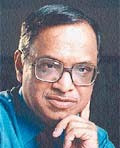 One of the founders of Infosys Technologies Limited; Chosen as the World Entrepreneur of the Year - 2003 by Ernst and Young, Narayana Murthy is the Non-Executive Chairman and Chief Mentor of Infosys Technologies Limited. He is a living legend and an epitome of the fact that honesty, transparency, and moral integrity are not at variance with business acumen. He set new standards in corporate governance and morality when he stepped down as the Executive Chairman of Infosys at the age of 60. 8. Rahul Bajaj:
 Rahul Bajaj is the Chairman of the Bajaj Group, which ranks among the top 10 business houses in India. The Bajaj Group has diversified interests ranging from automobiles, home appliances, lighting, iron and steel, insurance, travel and finance. Rahul Bajaj is one of India's most distinguished business leaders and internationally respected for his business acumen and entrepreneurial spirit. 9. Sunil Mittal:
 Chairman and Managing Director of Bharti Group, India's largest GSM-based mobile phone service provider; IT Man of the Year Award 2002 from Dataquest and CEO Of the Year, 2002 Award from World HRD Congress. Sunil Mittal can be called as originator of cellular phone revolution in India. He is the founder, Chairman and Managing Director of Bharti Group and runs India's largest GSM-based mobile phone service.
10. Verghese Kurien:  Known as the "father of the white revolution" in India; Winner of Ramon Magsaysay Award; Awarded with Padma Shri (1965), Padma Bhushan (1966), and Padma Vibhushan (1999). Dr. Verghese Kurien is better known as the "father of the white revolution" in India. He is also called as the Milkman of India. Dr. Varghese Kurien was the architect behind the success of the largest dairy development program in the world, christened as Operation Flood. He was the chairman of the Gujarat Co-operative Milk Marketing Federation Ltd. (GCMMF) and his name was synonymous with the Amul brand.
Gramercy Typewriter has survived by diversifying into laser printer repairs, but its reputation for customer service has been its saving graceEvery business day, as he has done for the past 49 years, Paul Schweitzer, 69, travels the streets and skyscrapers of Manhattan making "house" calls, carrying his black leather tool bag by his side. Schweitzer, who insists on wearing a suit and tie while on his rounds, is one of the last of his kind: the typewriter repairman.
In 1932, Schweitzer's father opened Gramercy Typewriter in Manhattan, selling and repairing typewriters. "At one time, there were millions of typewriters in the city," says Schweitzer, who began working for the family business in 1959 and took it over when his father retired in 1975. "You would go in an office and there were a hundred desks and each one had a typewriter," he says.
Over the years, Gramercy earned a reputation for quick repairs and excellent customer service. The elder Schweitzer gave out wooden rulers that bore the company's name and logo as advertising. The shop's client base spanned from the tip of Wall Street up to the top of Harlem. Surviving the IBM SelectricThe Schweitzers were quick to adapt to changes. The first big one came in 1961, when IBM (IBM) introduced the Selectric typewriter. The Selectric used a typeball that could be changed to display different fonts. The ball replaced the traditional pivoting type bars and the need for a moving carriage with a paper roller. Gramercy, like every other repair shop, had to learn how to fix and overhaul the new machines. Aside from new iterations of the Selectric, for the next 30 years, the typewriter business remained relatively steady.
Then came the introduction of the personal computer in the 1980s. Gradually, businesses began replacing their typewriters with desktop computers. By the early 1990s, the shift practically had made the typewriter obsolete. A number of Gramercy's competitors went out of business. "When I started, the Yellow Pages had six pages of typewriter repairmen, today there is maybe half a page," says Schweitzer. "If an office had 200 typewriters, now they had 40," he says. Although the number of machines continued to dwindle, "They still needed repairs." Gramercy gained business as other repairmen shuttered their shops.
While Schweitzer carried on, he noticed that most of the offices that he serviced were purchasing Hewlett-Packard (HPQ) laser printers along with their computers. Recognizing that those printers would break down and need repairs, Schweitzer took Hewlett-Packard-sponsored training courses to learn how to fix the machines and added that to the firm's service menu. Before long, he included fax machine repairs as well. As Schweitzer made his rounds, he informed customers that he was also available to repair these office staples. Schweitzer, who to this day has never owned a computer or used e-mail, says diversifying has allowed his company to retain a good number of its clients, with about 75% of the business now involving printer repairs. New Interest in TypewritersDespite these dramatic shifts, Schweitzer insists there is a surge of interest among young people who have found their parents and grandparents' old typewriters in basements and attics and have taken to the machines. At the same time, he says a market has developed around buying and selling typewriters online. Schweitzer also says that many of the offices he services still use the old machines for certain kinds of documents and customers still stop in his shop throughout the week. On a recent afternoon, an older gentlemen trudged up to the fourth floor of Gramercy to explain that his IBM Selectric was broken and inquired whether it could be fixed. Another recent customer was an artist who created an entire art exhibition using a manual Royal typewriter from the 1930s and in doing so ended up busting the star key.
These days Schweitzer spends most of his mornings doing house calls. By noon he returns to his shop and eats lunch, and if there are no more office stops to make, he dons a blue apron and works on typewriters in the back-room workshop, then knocks off around 4:30. There, the walls are lined with old IBM Selectrics and boxes stacked with parts and ribbons. Scattered about are a handful of old Underwood, Corona, and Royal manual typewriters from the 1920s and '30s. The work he does on typewriters now consists mostly of chemical washings and replacing parts like keys, feet, and ribbons from hard-to-find manufacturers.
Schweitzer says he continues to run his business because he enjoys it. He says walking up and down subway stairs carrying his 30-plus-pound tool bag has kept him fit throughout the years. Not ready to retire, Schweitzer still takes enormous pride in being able to bring old machines back to life. Recently, he overhauled a broken 1920s-era Underwood that a customer wanted restored to working order as a birthday present for her husband. "Hanging In There"Although he hopes to pass the business on to his son, Justin, Schweitzer has been around long enough to know another shift or two is ahead. "I'm thinking, what is the next thing after printers?" he says. "Maybe they will be voice-activated? Or maybe people will get so disgusted with the breakdowns and failures they'll go back to IBM typewriters. I'm waiting to see what happens next. We're hanging in there."
From thrift stores to repair shops to auto garages, the recession brings new opportunities to plenty of small businesses The current economic picture is certainly a gloomy one, with massive layoffs, bankruptcies, the collapse of financial institutions, and a severe credit crunch. But the recession has also injected life into a slew of small businesses that are thriving either in spite of or because of the economic downturn, giving new relevance to the old adage that one man's misfortune is another's opportunity.
Among those businesses that are thriving are pawn shops and thrift stores, which have traditionally catered to those in tight financial straits and which have historically seen an uptick during economic slumps. They're reporting higher volumes of business and even a broadening of their customer bases among those who have recently found themselves with greatly diminished stock portfolios or among the unemployed. "More people are trying resale than may have done before," says Adele Meyer, executive director of the National Association for Resale & Thrift Shops, a trade association based in St. Clair Shores, Mich. "And once people shop resale they realize what value and quality they're getting for the price. They become hooked, and this becomes their way of shopping." Now, many thrift stores are finding that their inventories are running especially low: Business is booming, and goods for resale aren't being replenished as fast or as easily. Keeping Things RunningOthers who are getting a financial jolt—a positive one— are auto mechanics and other repairman, who have seen record business in some cases over the past six to nine months. With wallets stretched and credit tight, many people are hanging onto their cars, appliances, and even shoes rather than replacing them. "Our business in the last seven to nine months has been better than compared to the last four to five years," says Dick Whittington, owner of Leon's Shoe Shop in Shreveport, La.
Fear and crime has also boosted a number of businesses. Sales of home safes are on the rise, while several private detective agencies are also reporting a surge in business. Repo men across the country are doing record levels of business, thanks to the high number of loan defaults on big ticket items such as cars, boats, and motorcycles.
The record number of foreclosures and ballooning consumer debt has been a windfall for businesses that consolidate, restructure, counsel, and settle debt and foreclosures. However, an increase in fraudulent firms claiming to help consumers with their debt and mortgages has also been on the rise.
So while many businesses are shutting down or limping along, there remains a sturdy group of small firms that have found opportunity.
MUMBAI: Is Dalal Street's dream run that saw the BSE sensex more than double in seven months entering a corrective zone? Although market players are a divided lot,but a set of data points to a correction.
In the two weeks since the Muhurat Day trading on October 17, the sensex has lost nearly 8%, or 1,340 points, to its current level of 15,896. This huge slide has also made the last fortnight the worst for the sensex in the post-Diwali trading period in 10 years. To a large extent, this loss is attributed to selling by foreign institutions while buying by the domestic ones have given it some cushion, market players said.
Since October 17, while FIIs have net sold stocks worth about Rs 4,460 crore (nearly $950 million), net buying by domestic institutions is about Rs 2,200 crore, BSE data showed. While the BSE and NSE data on institutional trading reflect their activities only in the secondary market, the data published by Sebi also include their investments through IPOs, QIPs and other routes.
BSE data showed that in the first 16 days of October, FIIs had a net buying figure of Rs 4,460 crore while during the second half of the month they booked profit and took an equal amount off the table. ‘‘Very clearly concerted selling happening on the FII front,'' said Arun Kejriwal, director, KRIS, an investment advisory firm. If this trend continues, the sensex could slide further, and at a fast clip, institutional dealers said.
Market players also pointed out that since Diwali Day, at every high, investors are coming in to book profits. As a result, even if the index opened strong, in most sessions, late selling pulled it down to a negative close. For example, on Friday, the index opened about 100 points higher, rallied over 300 points in early trades but after some hectic late selling crashed over 550 points from its intra-day high. It finally settled 156 points, or 1%, off.
Last week, in each of the five trading sessions, the sensex closed lower than its previous close.
‘‘There could be some small bounce back from here but the correction will resume soon,'' head of dealing at a domestic broking house said. ‘‘Things have reversed now. A few weeks ago (the indices) used to close higher even if there were weak opening,'' said Kejriwal.
While the sensex has lost nearly 8% since Diwali, the worst hit has been telecom, real estate, constructions, banks and metal stocks. Among the sensex shares, Reliance Communications has lost 26%, DLF is down 20% while Jaiprakash Associates is now 19% off.
And given that the results season is over, dealers also don't see any triggers for the stocks to rally north.


